A new model at the top of the capability ladder, native installers on every desktop OS, a bi-directional Linear integration, a Remotion server render lane with a dedicated CLI, and pipeline observability that surfaces full failure context inline — each piece shipped under test and wired in before the next one started.
01
Model Roster
Claude Opus 5 — the New Default
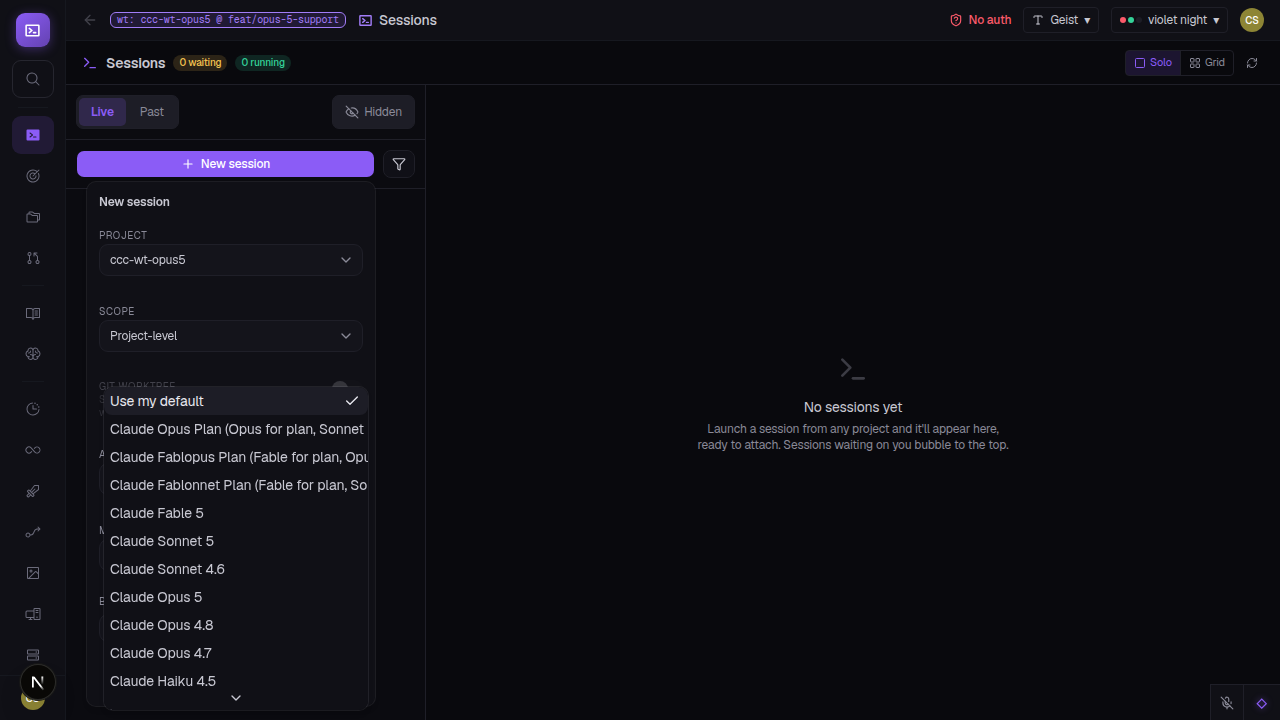
Claude's most capable model, Opus 5, joins CCC's model picker and is immediately promoted across every autonomous lane: the fablopus preset now executes on Opus 5, Autopilot crew sessions default to Opus 5, and BigRalph's implementation model bumps from Sonnet to Opus 5. The model resolves through the existing encrypted key store — no new API surface. The size dropdown repopulates from the selected model's declared capability set, so Opus 5's extended context and thinking budget appear inline. Every prior model remains available; Opus 5 is simply the new ceiling.
02
Distribution
Native Desktop Installers — Win / Mac / Linux
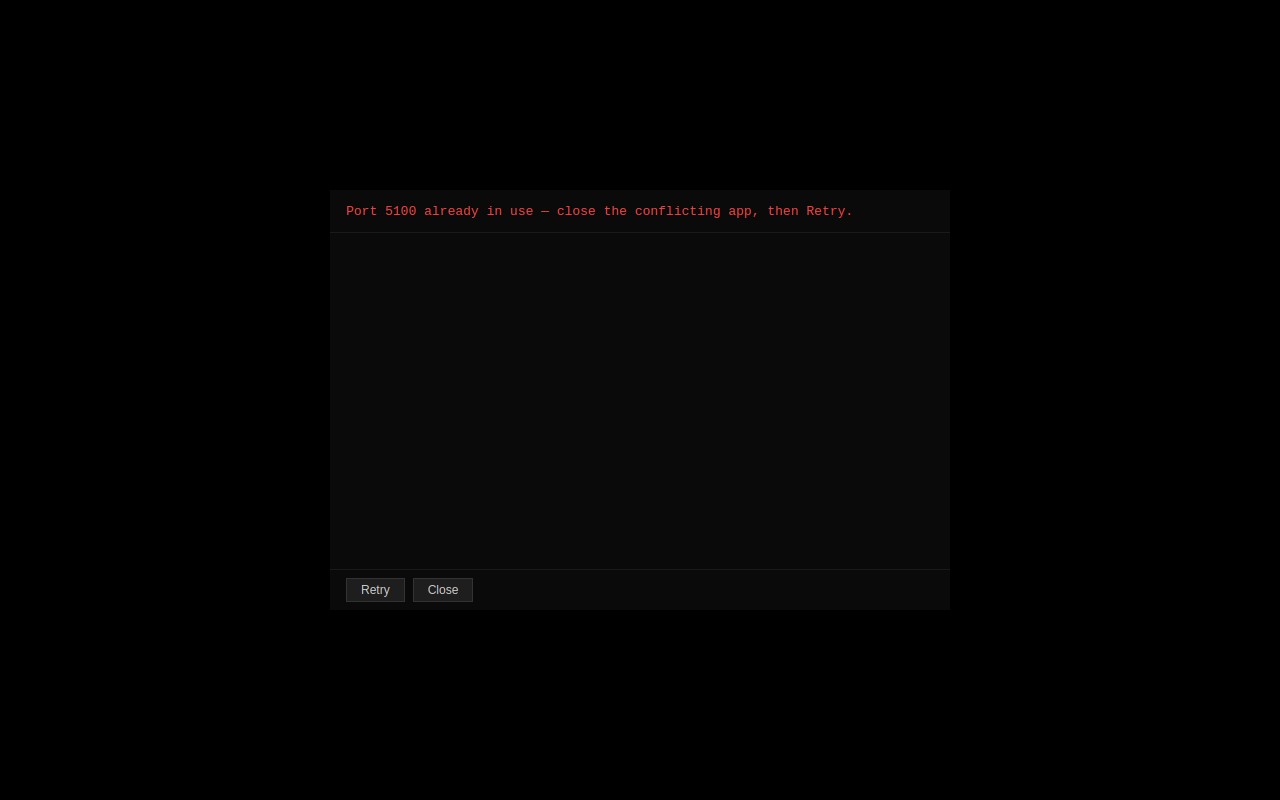
CCC now packages as native desktop apps for all three platforms: an NSIS .exe installer for Windows, a signed .dmg for macOS, and both an AppImage and a .deb for Linux. A release CI pipeline in GitHub Actions builds, signs, and publishes all three artefacts on every tagged release. A first-run wizard on each platform handles Docker dependency prompts and the initial project setup — no command line required to get from download to first session. Operators can now distribute CCC internally as a standard desktop app rather than a Docker compose bundle.
03
Motion Studio
After Effects Engine — Dual Rendering
The Motion Studio gains a second rendering lane: After Effects, via the aftr MCP bridge. A one-time setup script installs aftr, deploys the CEP panel, registers the MCP tool, and configures PlayerDebugMode for CSXS 11–13. A watchdog script dismisses the AE modal dialogs that would otherwise freeze the ExtendScript bridge in attended mode. The built-in motion-studio skill encodes the hard-won engine semantics: trimLayer over applyWordReveal, saveProject before render, explicit revealFrames/stagger. Remotion remains the default for headless rendering; AE handles premium attended work.
04
Integrations
Linear Project Binding & Auto-Intent Creation
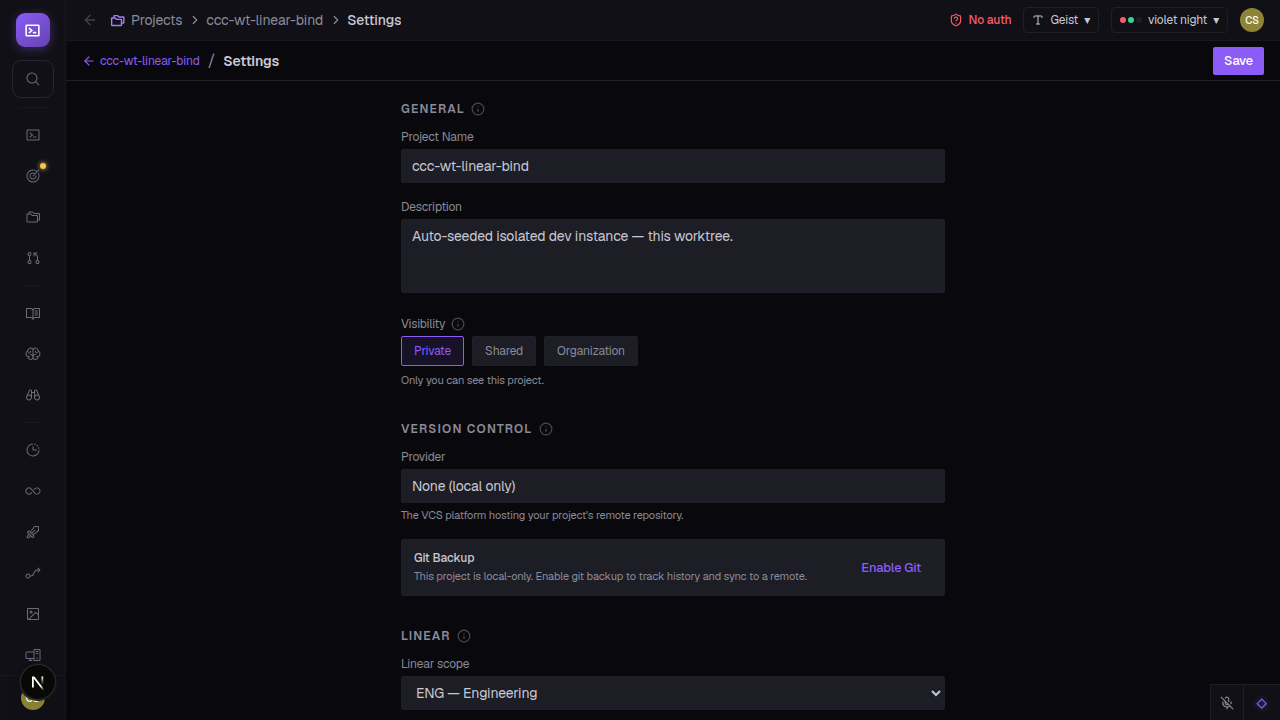
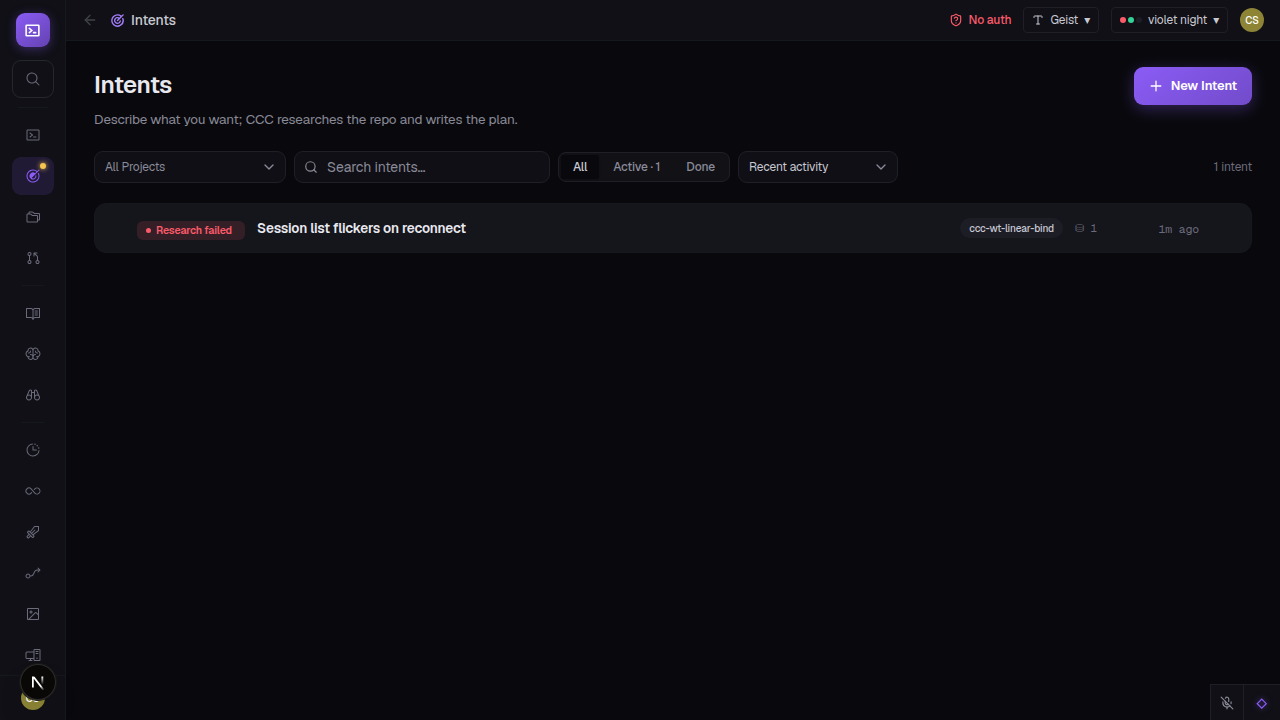
Any CCC project can now be bound to a Linear team and project scope from the Settings panel. Once bound, CCC listens via webhook for new Linear stories and automatically creates a matching CCC intent — pulling in the story title, description, and priority, so the backlog stays in sync without manual entry. CCC posts to Linear as a registered OAuth app (bot) rather than a personal API key: a workspace-level install, clean bot attribution, and tokens that don't expire when a user's session rotates. The settings panel exposes the OAuth install flow and a team/project picker dropdown.
05
Pipelines
GitHub Issue Resolver Flow
A new composable pipeline template covers the full GitHub issue lifecycle: issue ingested from a webhook trigger, triaged by an agent node that classifies severity and assigns labels, an implementation agent that opens a pull request, and a close-on-merge step that resolves the original issue. Each stage is a standard pipeline node, so operators can fork the template, swap in their own triage logic, or bolt on a code-review agent before the PR opens. The entire flow ships as a managed template in the Pipelines gallery — one click to adopt, zero config to run on a default repo.
06
Intents
Mission Launch from Intent
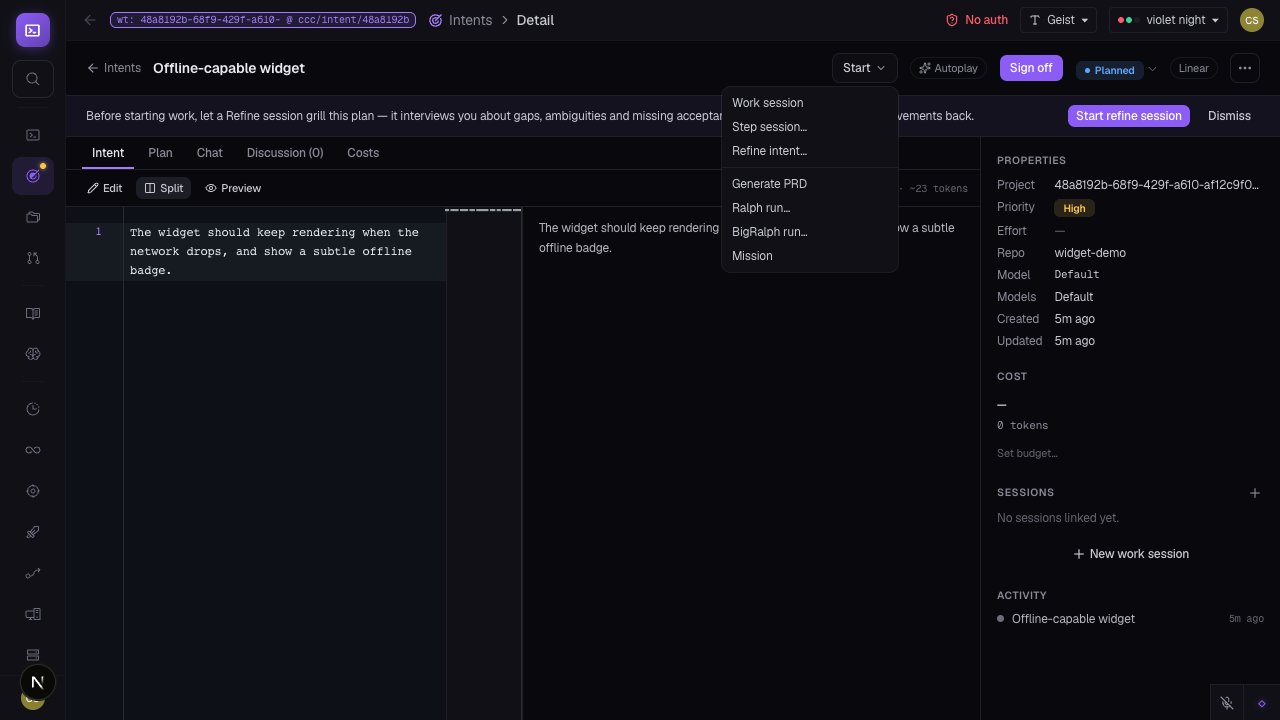
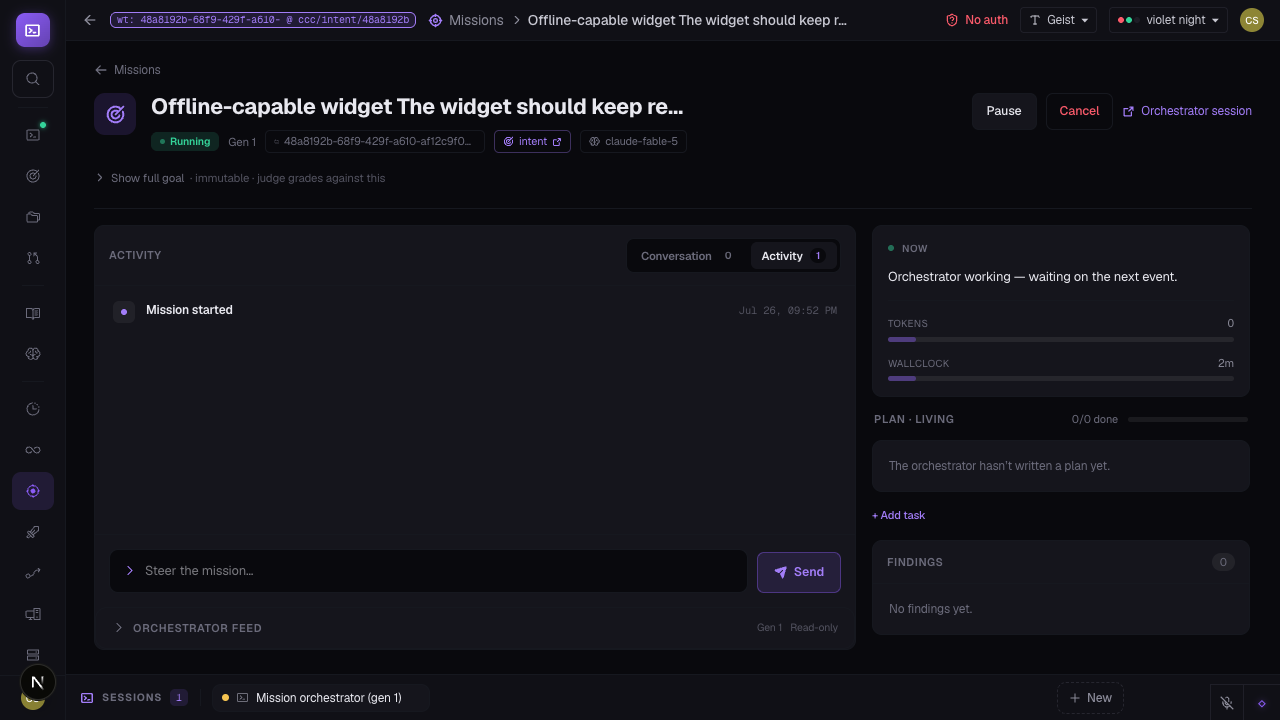
Missions can now be launched directly from an intent's detail page, joining Ralph and BigRalph as the three peer launch modes. The intent's story card, PRD, research notes, and active plan are injected as the Mission's opening brief — the Mission starts informed, not cold. The Mission page shows an intent chip back-linking to the originating story; the Intents list shows an active Mission badge on any intent that has one running. Operators can now escalate any story to a full Mission with the same coverage as the other launch modes, without leaving the intent backlog.
07
Developer Experience
Built-in Pipelines Skill
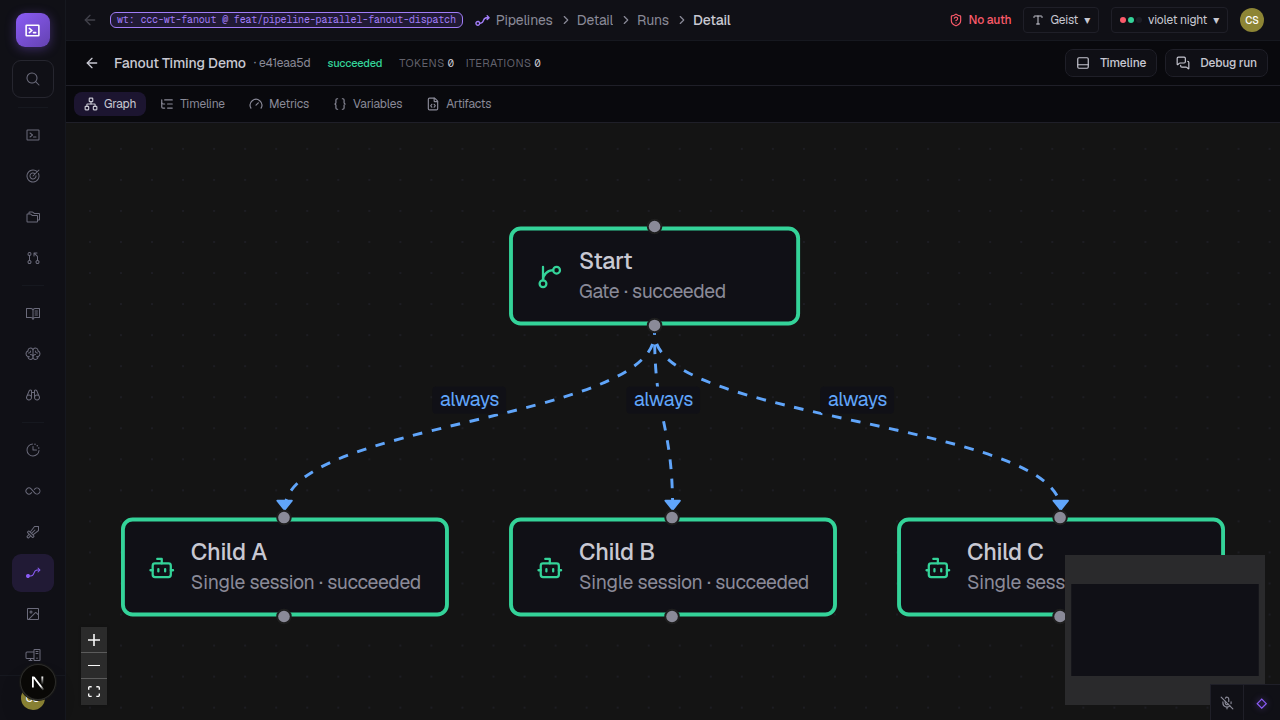
A new built-in pipelines skill ships pre-installed for all agents. It covers pipeline authoring (node types, input/output schemas, edge conditions, always vs. verdict-routed edges, fan-out semantics), routing mechanics (how the DAG walks verdicts, what SKIPPED activates), and ops guidance (run management, monitoring, when to use pipelines vs. Ralph vs. direct sessions). Any agent — including ones not explicitly configured for pipeline work — can now reference the full pipeline API without the operator inlining documentation into the prompt.
08
Mobile
Mobile File Attachments in Terminal
The raw-terminal console input on mobile now exposes a file attachment picker. Files selected from the device are staged and injected into the session's working context — images, documents, or code files — without requiring a desktop browser. The attachment UI sits alongside the existing voice input controls and respects the same permission gates as desktop file injection. Mobile operators can now feed file context into a running session directly from their phone, making the terminal console genuinely useful for on-the-go oversight of file-heavy tasks.
09
Developer Instances
Shared Claude Home for Dev Instances
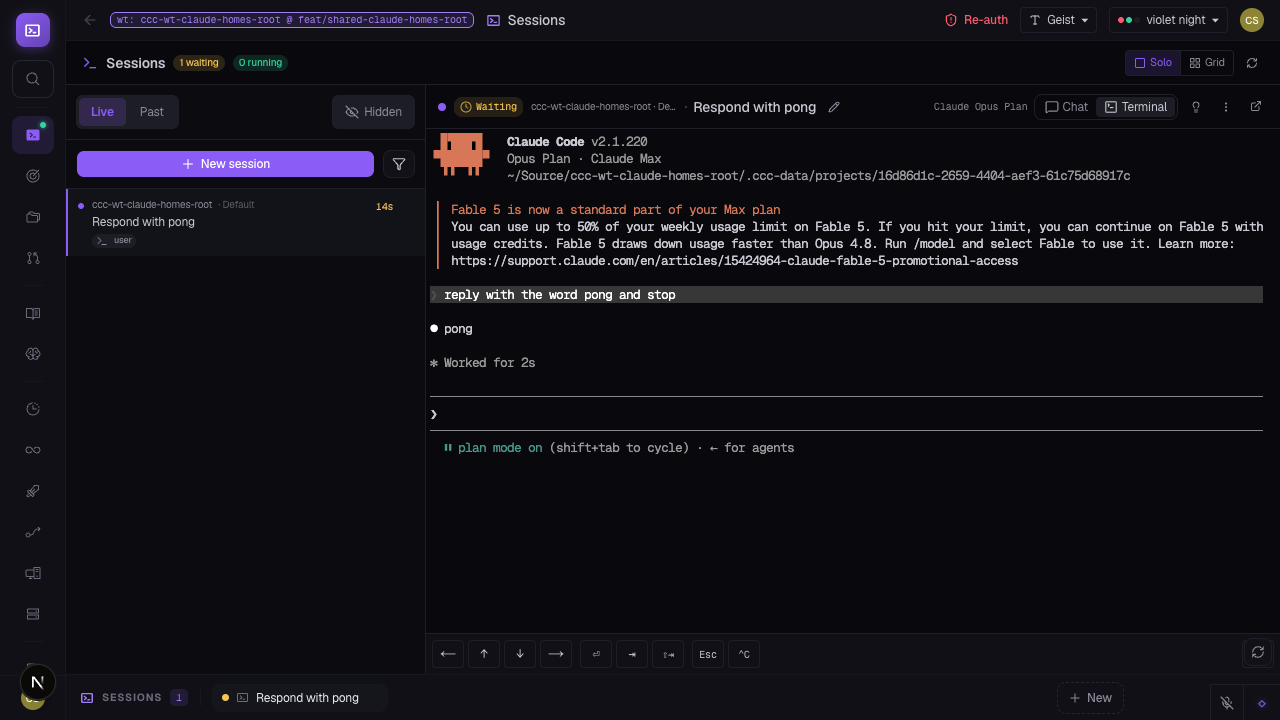
A new opt-in environment variable — CCC_CLAUDE_HOMES_ROOT — lets multiple isolated dev instances share a single Claude home directory. This means one browser-based login, one Pro/Max subscription, and shared .claude/ state across all local dev clones — without contaminating each other's project state or credentials. The flag is off by default; isolated instances that don't set it get their own private home as before. Instances that do set it are labeled in the UI with a badge and tab title so operators can tell shared-home instances apart at a glance.
10
Motion Studio
Motion Studio Phase 2 — Remotion CLI
Phase 2 of the Motion Studio ships a ccc motion CLI group and a dedicated server render lane for Remotion. POST /motion/jobs spawns a Remotion composition via the project's own @remotion/cli — immune to stripped-PATH environments. Progress is streamed as motion:job Socket.IO events; renders land directly in the existing media gallery so they appear immediately without a new UI surface. The CLI exposes render, jobs, cancel, and a brief command that spawns an agent session pre-loaded with the motion-studio skill's render → frame-review → refine loop. AE handles premium attended work; Remotion is the headless render default.
11
Pipelines
Run Verdict Pinned to Every View
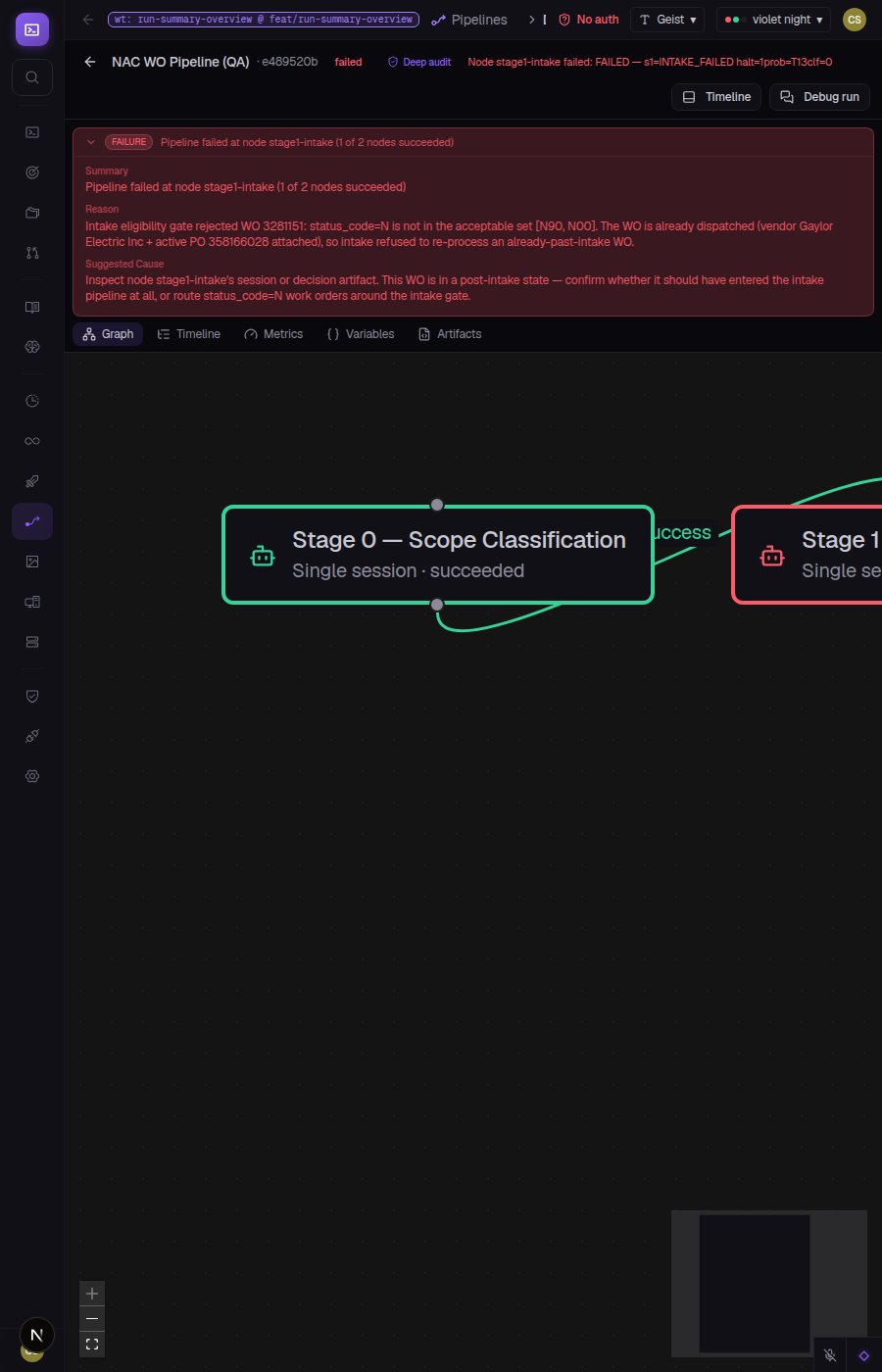
The pipeline run analyzer already computed a Summary · Reason · Suggested Cause verdict for every terminal run — but it was only visible as the Timeline tab's header, invisible on the default Graph tab. The verdict card is now pinned above the audit tabs on the run overview: visible on any tab, auto-expanded for failure and advisory verdicts. Successful runs stay collapsed. Operators see why a run failed and what to do at a glance, without switching tabs or drilling into nodes. No server or data changes — the verdict fields were already delivered to the client; they just weren't surfaced where people land.
12
Pipelines
Timeline Event Detail — Full Context on Demand
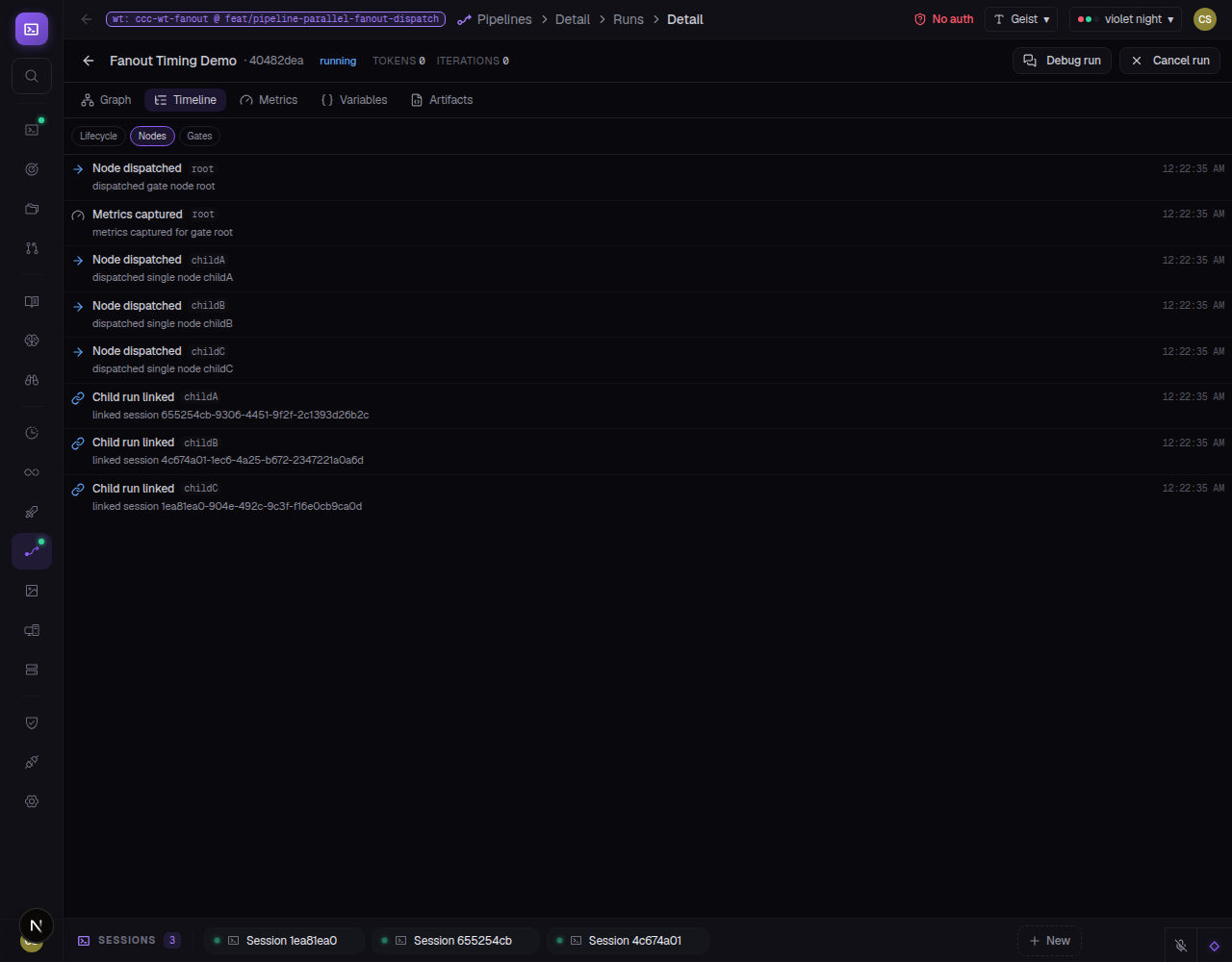
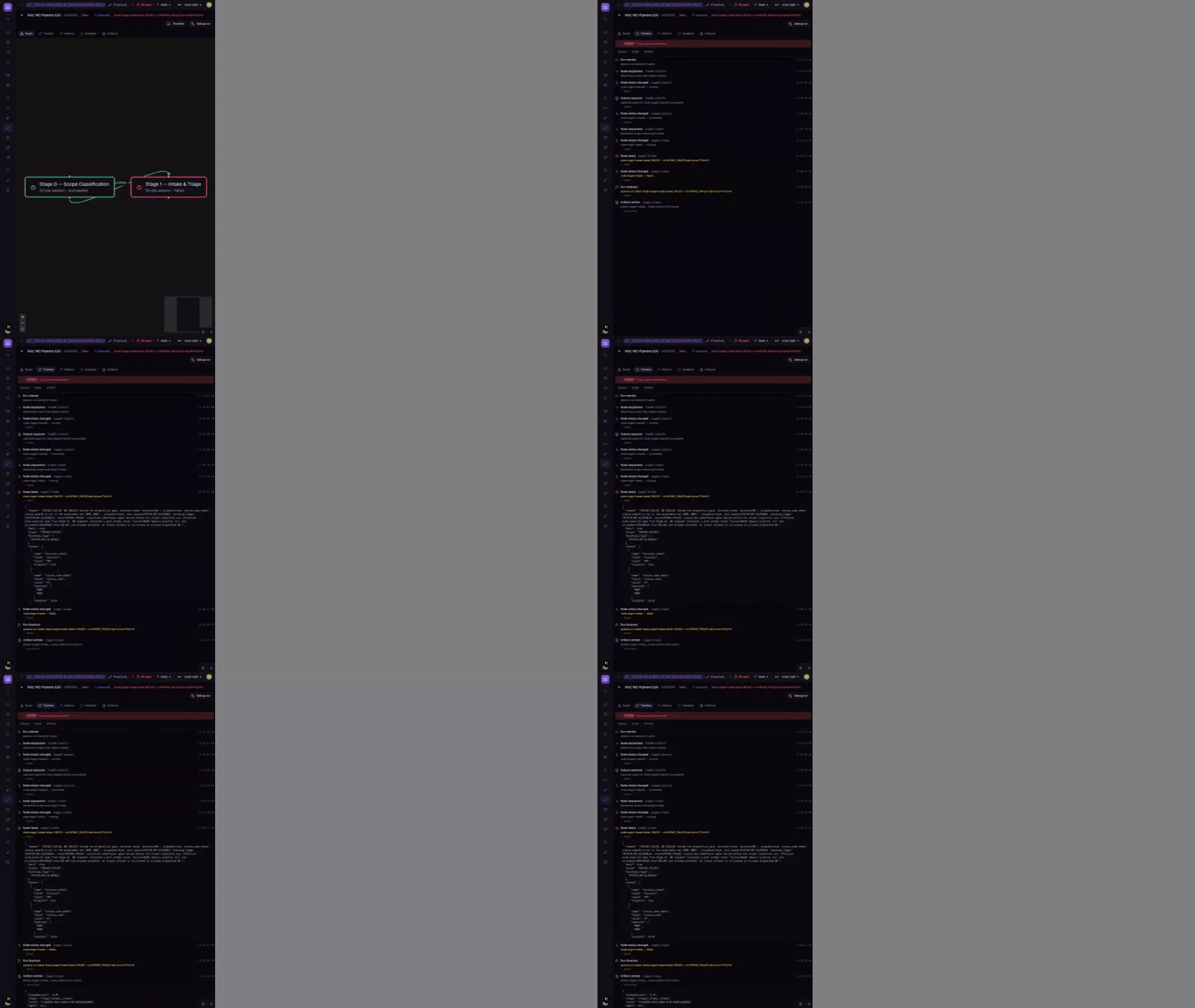
Every event card in the Pipeline run Timeline now has an expand toggle. Node-failed rows reveal the full, untruncated failure reason from event.data — the card message is capped at 240 characters, but the actual cause was always in the payload and was simply never rendered. Artifact-written rows lazy-fetch the decision artifact on expand: halt_reason, per-check eligibility results, and notes — the same content previously locked to the Artifacts tab. Operators can now diagnose failures inline on the Timeline without opening a debug session or switching tabs. Zero backend change — the full data JSON was already returned to the client.