Each one ships behind a flag, wired into the ledger, and safe to run against a live portfolio. Together they turn CCC from a session dashboard into an orchestration substrate.
01
Distributed Compute
Worker Node Fleet
GPU/VRAM-aware distributed agentic compute. Enroll machines, dispatch agent work across the fleet, and route each task to the node whose loaded model is strongest for the job — with hard org/project isolation and a fresh dispatch-time readiness probe on every hop. Ships with a web console and a standalone node binary.
02
Multi-Model
The Council of Advisors
CCC was raised by a single opinionated mind. Now it keeps a Rolodex of them — Claude, OpenAI, Gemini, Groq, and Grok (xAI), plus your own local models. Route a task to the strongest mind for it, or convene a panel to argue the hard calls before you ship. Cost ledger and offline-clamp built in from day one.
03
Self-Improvement
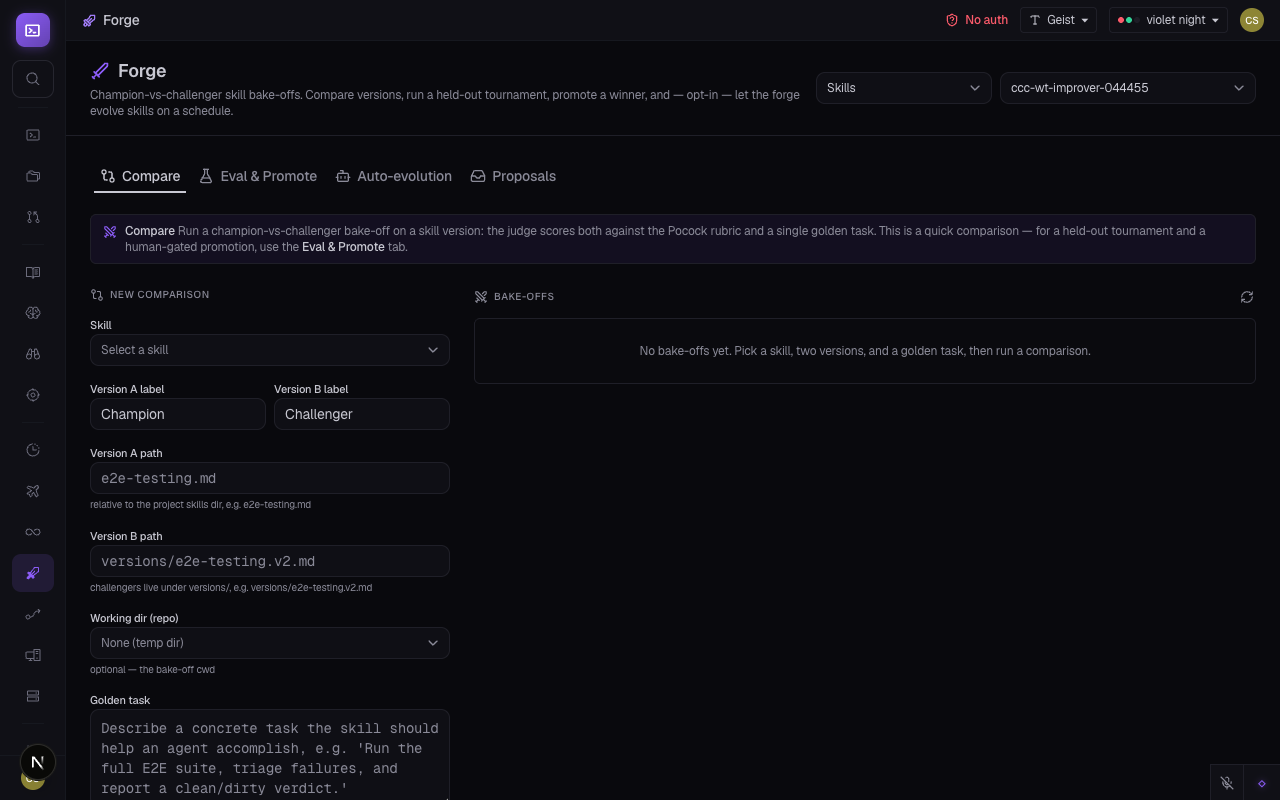
Ralph Forge
CCC that improves CCC. Agent skill-strategies compete champion-versus-challenger across golden eval sets; tournament judging fans out over the worker fleet; and only a gated winner earns promotion — with last-known-good rollback the moment a champion regresses. Optional, off by default, strongly gated.
04
Foresight
Intelligence Advisor
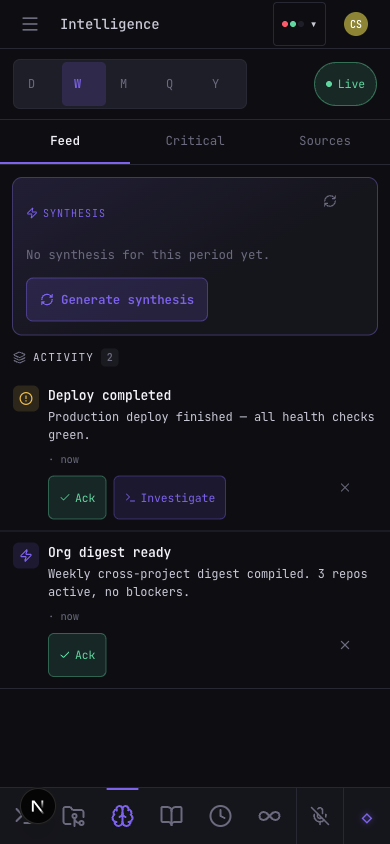
A forward-looking "what to work on next" surface. Sonnet writes a structured record as every session ends; Opus organizes the whole org each morning into a feed of trajectories, risks, and suggestions — now with a Yesterday recap and title-stable dedup so themes update in place.
05
Orchestration
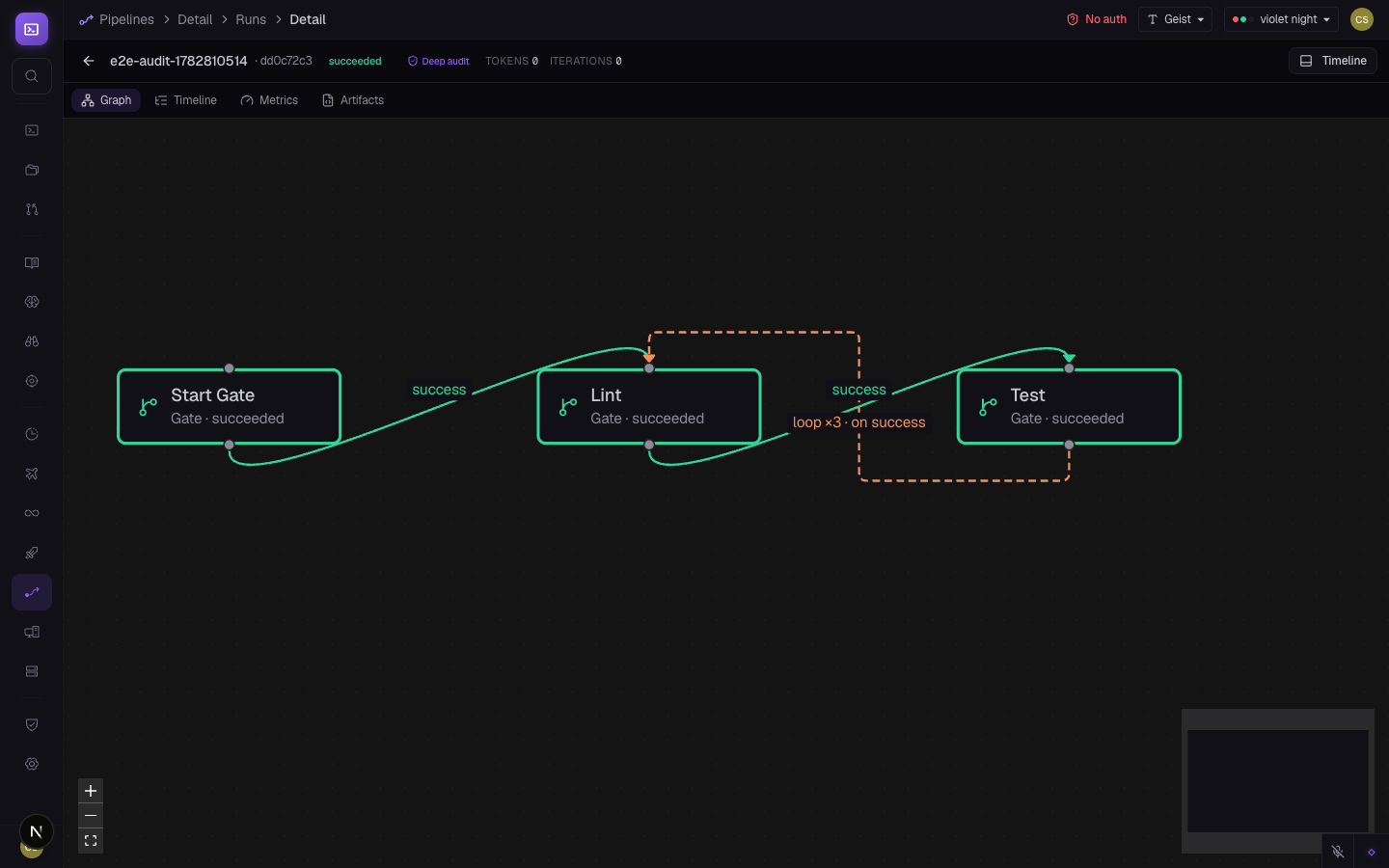
Pipelines
Visual DAG orchestration of agent sessions. Watch any node's live terminal inside the run viewer, replay historical runs, and click a connector to inspect it — now on mobile, with per-pipeline Anthropic credentials and run/deep-audit observability.
06
Retrieval
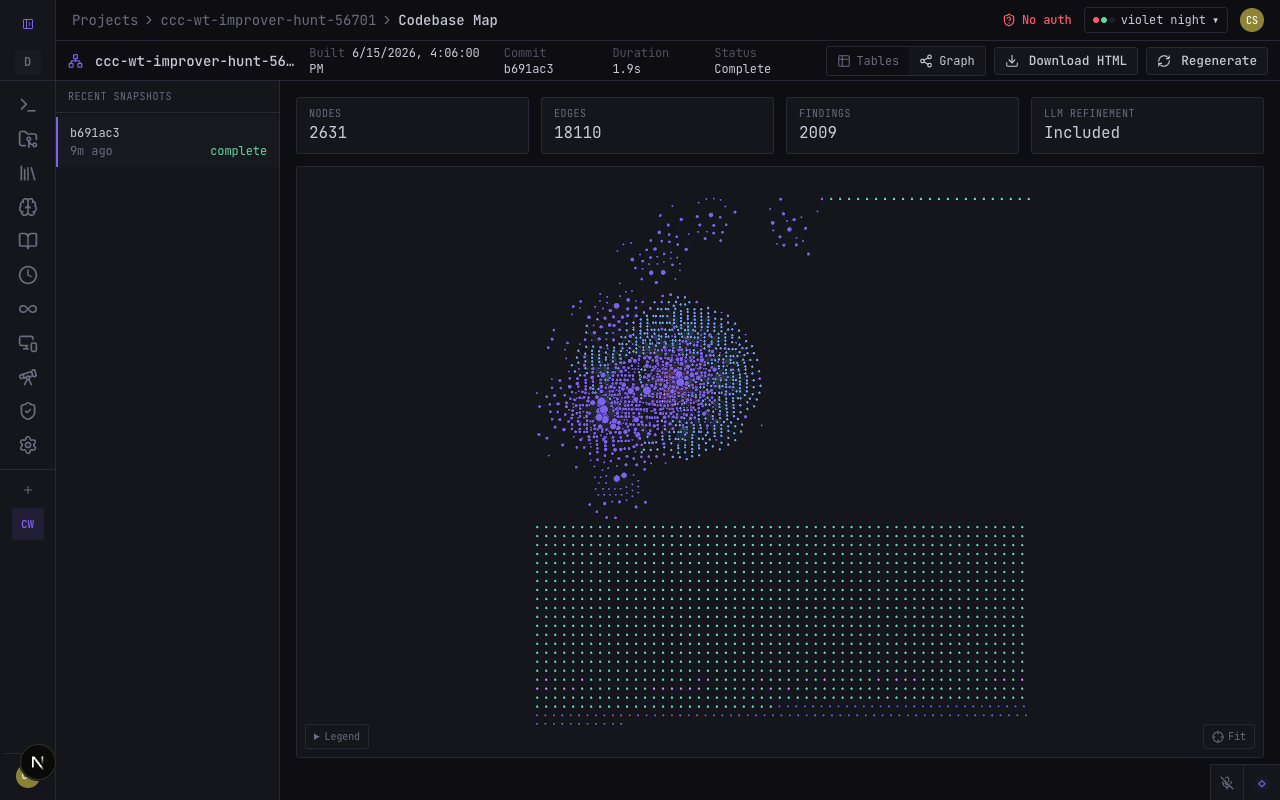
Codebase RAG
Ask your repo "do we already do X?" in plain English and get a cited answer with a clickable file:line — one it re-reads at answer time and shreds if the code isn't actually there. It would rather say "I couldn't find that" than invent a function that doesn't exist.
07
Signal
Portfolio Briefing
An entertaining, multi-host audio briefing of your entire portfolio. A cast — anchor, builder, skeptic, comedian — trades the week's headlines over real voices you can clone, on a schedule, capped by a monthly state-of-the-union.
08
Models
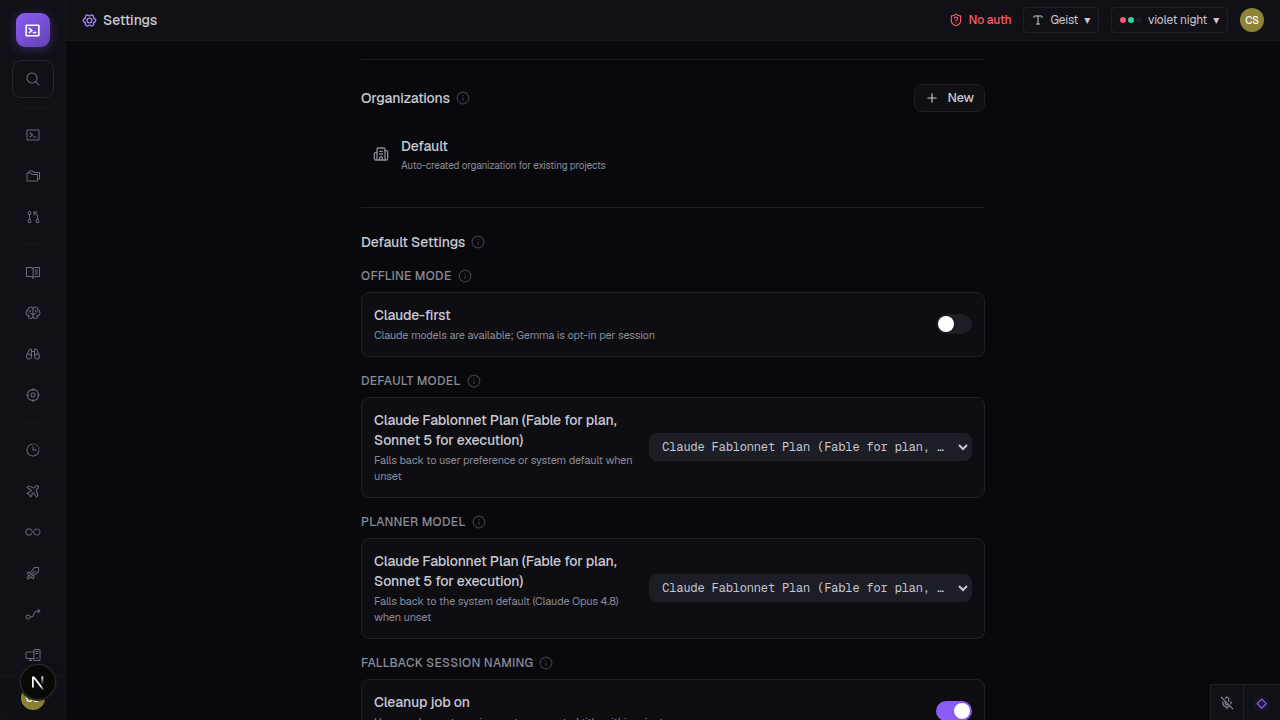
Sonnet 5 & Fablonnet
The newest Claude models land in the registry — including a Fablonnet plan mode: Fable drafts the plan, Sonnet 5 executes it. Pick the right mind for thinking and the right one for doing, in the same session.
09
Control
Command Palette
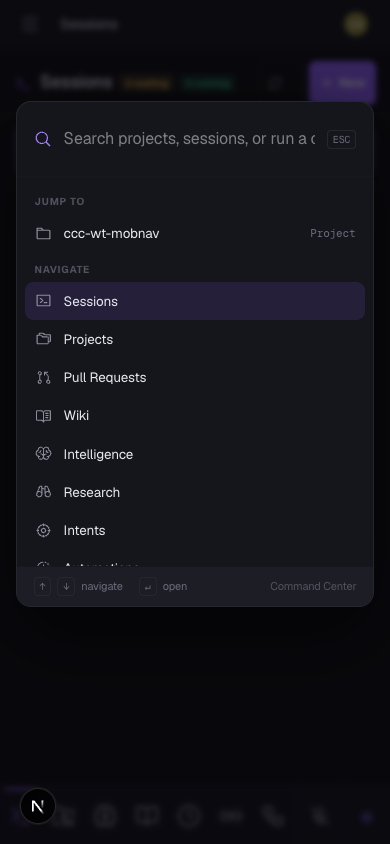
A Linear-style launcher wired straight into CCC. Rename or kill the focused session, add a repo, push a knowledge entry, flip a setting — every action a single keystroke away.